No, they are different procedures for different problems. A routine cleaning, called a prophylaxis, removes plaque and tartar from the visible surfaces of teeth with healthy gums. Scaling and root planing goes below the gum line to clean the root surfaces inside a deepened pocket, which is why the area is numbed first. If we recommend one, we will show you the pocket depths and the x-rays that led us there, so you can see the reasoning rather than take our word for it.
Periodontal Treatment for Gum Disease in Vestal, NY
Blood in the sink when you brush is the symptom almost everyone talks themselves out of. It stops if you brush more gently, so it seems like it went away. It did not. Bleeding gums are inflammation, and inflammation is the first stage of gum disease.
Here is what makes periodontal disease different from a cavity: a cavity announces itself. Gum disease works quietly, for years, dissolving the bone that holds your teeth in place. By the time a tooth feels loose, a lot of that bone is already gone and it does not come back. Catching it early is not a nice idea, it is the entire game.
Vestal Dental Associates has been treating patients across Vestal and the greater Binghamton area since 1955. Periodontal care is the part of dentistry where knowing a patient over years genuinely changes the outcome, because what matters is not one reading, it is whether the numbers are moving.
Gum disease is the most common reason adults lose teeth, and in its early stages it usually does not hurt at all.
Caught early, it is reversible with treatment you will barely notice. Left alone, it becomes permanent bone loss. The gap between those two outcomes is often a single appointment.
Signs Your Gums Need Attention
These are the things worth mentioning at your next visit, or calling about if several of them sound familiar:
- Gums that bleed when you brush or floss, even a little
- Red, puffy or tender gums rather than firm and pale pink
- Breath that does not improve after brushing
- Gums pulling back so teeth look longer than they used to
- New sensitivity along the gum line where the root is exposed
- A tooth that feels slightly loose, or a bite that has changed
- Dark spaces opening up between teeth that used to touch
Risk climbs with smoking, diabetes, a family history of gum disease, and a number of common medications that cause dry mouth. Our Learning Center explains how prescription medications raise your risk in ways most patients are never told about.
How We Diagnose and Treat Periodontal Disease
Every exam here includes periodontal charting, where we measure the depth of the pocket between each tooth and the gum around it. Healthy pockets measure one to three millimeters. Deeper than that means bacteria are living somewhere your toothbrush cannot reach. Those numbers get recorded every time, so your dentist is looking at a trend rather than a snapshot. Our Orthophos SL 3D imaging shows the bone level supporting each tooth, and our intraoral camera lets you see on a screen exactly what we are describing.
Early inflammation, gingivitis, usually resolves with a thorough cleaning and a change to your home routine. Our Cavitron ultrasonic scalers do most of that work through vibration and water rather than scraping, which is considerably more comfortable than the hand instruments most people remember.
Once pockets are deeper and bone is involved, treatment moves to scaling and root planing, often called a deep cleaning. We clean below the gum line and smooth the root surfaces so the tissue can reattach. The area is numbed first. Most patients are surprised by how ordinary it feels.
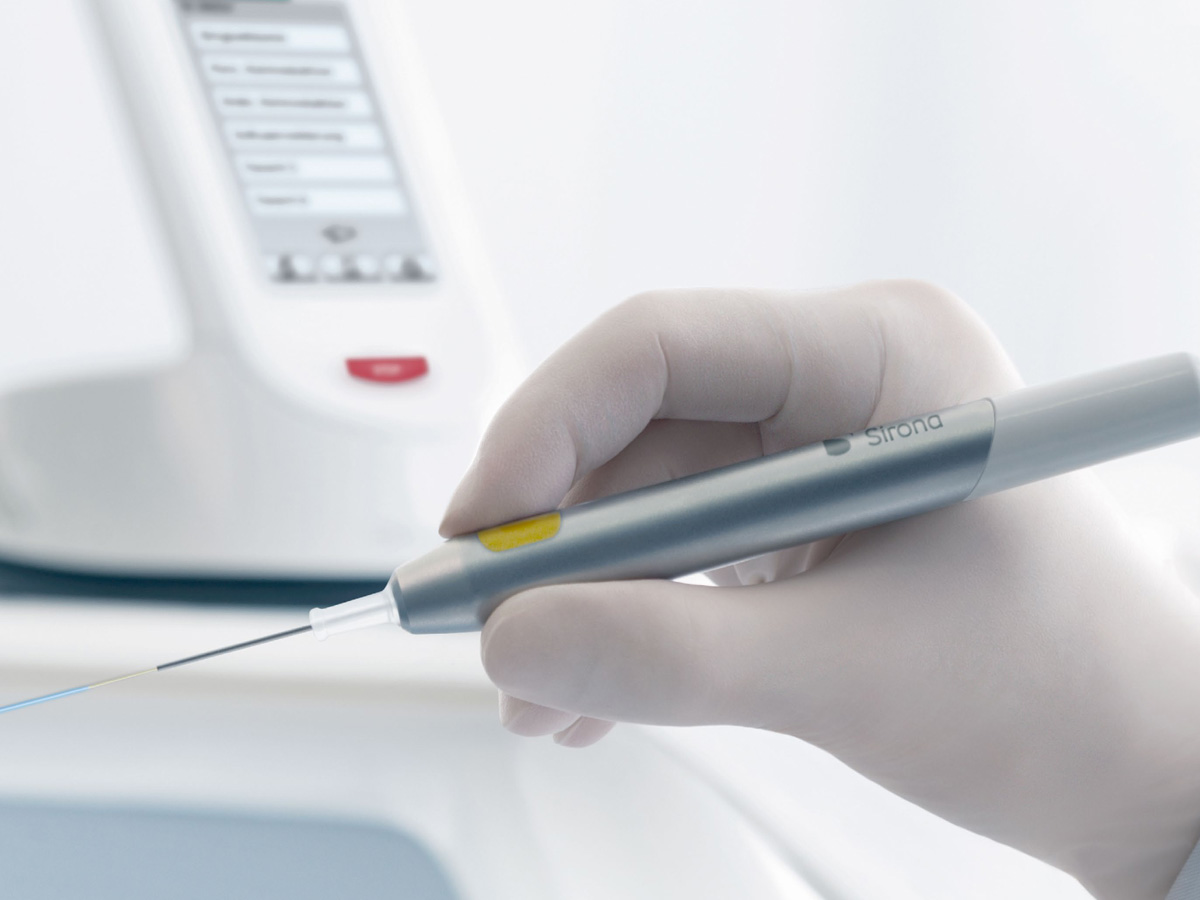
For patients who dread the idea of gum treatment, our SIROLaser changes the appointment entirely.
The soft tissue laser removes diseased tissue and bacteria from a pocket without scalpels, needles or drills, with less bleeding, less post-operative discomfort and faster healing. Read how laser gum treatment works in practice.
After active treatment, you move onto a periodontal maintenance schedule, usually every three or four months rather than every six. That interval is not an upsell. The bacteria that caused the problem recolonize a pocket in roughly twelve weeks, and the whole point of maintenance is to interrupt them before they do damage again.
Where disease has already cost you bone or a tooth, we can rebuild. Bone grafting and socket preservation restores the foundation, and dental implants replace what was lost. Stabilizing the gums first is what makes either of those last.
The staff are great. Joanne does an amazing job. She explains everything and makes sure you understand. She put in a lot of work getting my teeth cleaned this year.
Scott C. · Google Review
Your Gums and the Rest of Your Body
Periodontal disease is a chronic bacterial infection with a constant inflammatory response attached to it, and researchers have spent two decades studying what that does elsewhere. Gum disease has been associated with cardiovascular disease, and the relationship with diabetes runs in both directions: uncontrolled blood sugar makes gum disease worse, and treating gum disease can help with blood sugar control. Associations in pregnancy have also been studied closely enough that many obstetricians now ask about dental care.
None of that means gum disease causes those conditions. It does mean your mouth is not a separate system from the rest of you, and that telling your dentist about a new diagnosis or a new medication genuinely matters. Our Learning Center covers what periodontal problems mean for your overall health in more depth.
Why Patients Across Greater Binghamton Trust Us With Their Gums
Periodontal care is not a one time procedure, it is a relationship measured in years. That makes continuity worth more here than almost anywhere else in dentistry.
- The same hygienist, every visit. Someone who cleaned your teeth last time notices the pocket that went from three to four. A rotating roster does not.
- Here since 1955. Four generations of Southern Tier families have been treated in this practice.
- Comfort tools we own outright. SIROLaser soft tissue laser, Cavitron ultrasonic scaling, Prophy Jet air polishing and Orthophos SL 3D imaging, all in this office. See our knowledge and technology in full.
- Options if you are anxious. Sedation and laser assisted treatment are available for patients who have been avoiding this conversation for years. Nobody here will lecture you about it.
- Dentists who trained for this. Read about the doctors on our team and what each of them focuses on.
If it has been a long time since your last cleaning, that is the most common reason people put off calling, and the least good one. Start with our new patient page and we will take it from there.
Questions We Hear About Gum Treatment
-
Is a deep cleaning just an expensive regular cleaning?
-
Does scaling and root planing hurt?The area is fully numbed, so the appointment itself is comfortable. Afterward the gums are usually tender for a day or two and teeth can be temporarily more sensitive to cold while the tissue tightens back down. Most patients go straight back to work. If dental anxiety is what has kept you from booking, tell us when you call. Our sedation dentistry options exist for exactly this.
-
Will my gums grow back?Honest answer: gum tissue that has receded and bone that has been lost do not regenerate on their own. What treatment does is stop the loss, remove the infection and let the remaining tissue tighten back against the tooth, which usually reduces pocket depth and stops the bleeding. Where recession is significant, grafting procedures can rebuild tissue and bone. We will tell you which category you are in and what is realistic to expect from treatment.
-
Why do I need cleanings every three months instead of every six?Because the bacteria repopulate a treated pocket in about twelve weeks. Six month intervals work for healthy gums. Once you have had periodontal disease, the tissue is vulnerable and a three or four month interval is what keeps the bacteria from re-establishing and taking more bone. Your hygienist will set the interval based on your own pocket readings, and it can be lengthened again if your numbers hold.
-
Does dental insurance cover periodontal treatment?Most plans cover scaling and root planing and periodontal maintenance, often at a different percentage than routine cleanings, and many have frequency limits. We will give you a written estimate with your specific benefits applied before you commit to anything. Our payment options page lists the plans we work with and the financing available if treatment needs to be spread out.
-
Can gum disease really affect the rest of my health?Research has found consistent associations between periodontal disease and cardiovascular disease, diabetes and pregnancy complications. Association is not the same as cause, and you should be skeptical of anyone who tells you a cleaning will fix your heart. What is well established is that gum disease and diabetes make each other worse, and that treating the gums can help with blood sugar control. Tell us about new diagnoses and new medications, because both change how we care for you.
Bleeding gums are worth one phone call.
Gum disease responds very well to treatment, particularly when it is caught early. Book a periodontal evaluation and we will show you exactly where your gums stand, with the measurements to back it up.
Request an Appointment
Proudly Serving Patients in the Following Communities
- Apalachin NY
- Bainbridge NY
- Binghamton NY
- Castle Creek NY
- Chenango Forks NY
- Choconut PA
- Conklin NY
- Coventry NY
- Endicott NY
- Endwell NY
- Greene NY
- Harpursville NY
- Johnson City NY
- Kirkwood NY
- Little Meadows PA
- Maine NY
- McDonough NY
- Norwich NY
- Owego NY
- Oxford NY
- Port Crane NY
- Port Dickinson NY
- Triangle NY
- Vestal NY
- Windsor NY
